
Destination overview
The Rich History of Kyrenia
Kyrenia has been a port town for well over two thousand years. Each ruling power left something behind — from Roman tombs and a Byzantine chapel to Lusignan castles and Venetian walls — which is why so much history is packed into such a small area.
Last reviewed:
Ancient and Roman times
Kyrenia was one of the ancient city-kingdoms of Cyprus. Nearby Lambousa was another important settlement. The Hellenistic shipwreck now in Kyrenia Castle shows the town’s role in Mediterranean trade; newer research dates its sinking most probably to 286–272 BC. Under Roman rule the coast prospered, and rock-cut tombs can still be seen around town.
Byzantine period
As part of the Byzantine Empire, Cyprus faced raids from the sea from the 7th century onwards. Fortifications were built at Kyrenia and on the mountain peaks — the origins of St Hilarion, Buffavento and Kantara castles.
Lusignan and Venetian rule
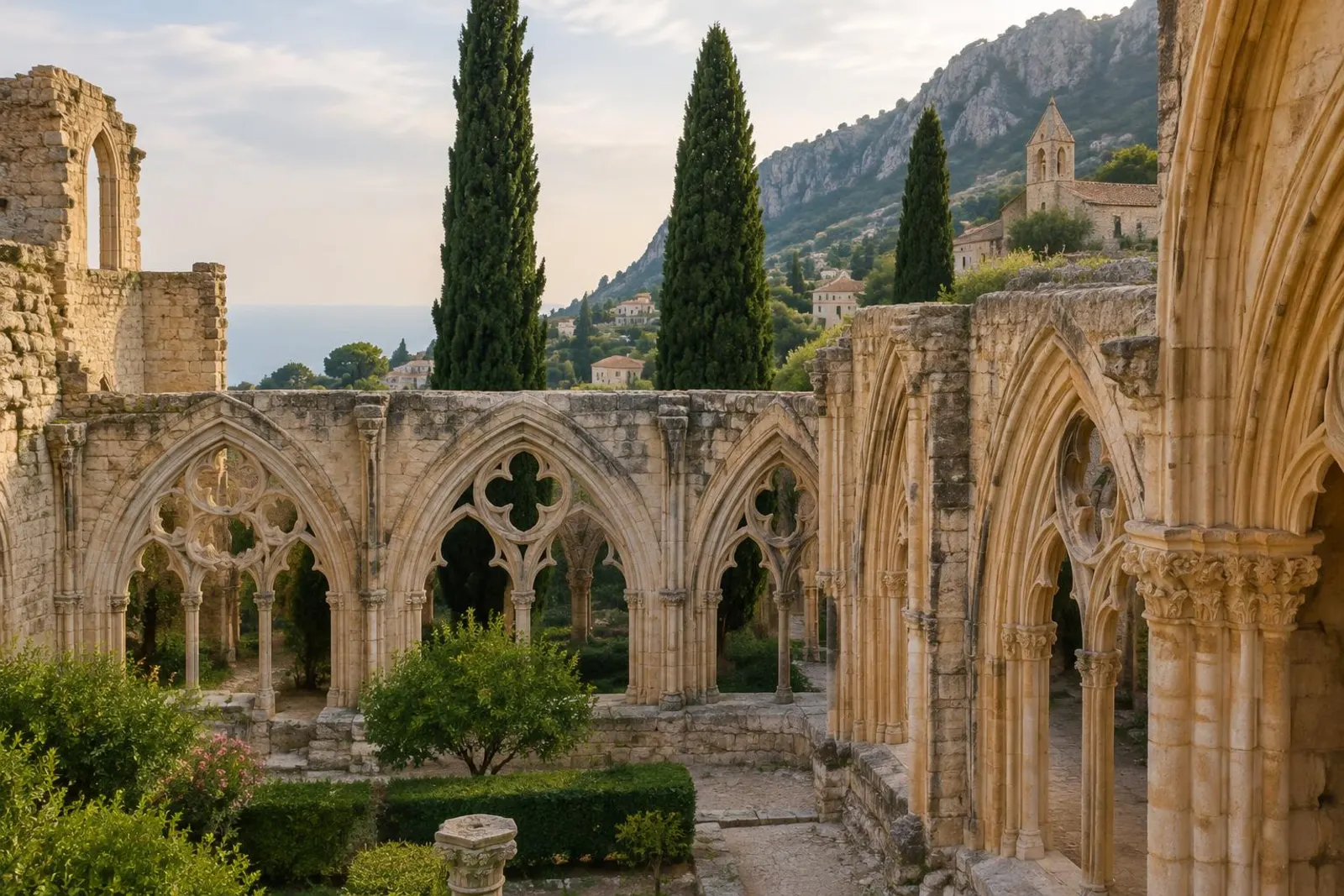
In 1191 Richard the Lionheart took Cyprus during the Third Crusade; the island soon passed to the Lusignan family, who ruled for nearly three centuries. They built Bellapais Abbey and expanded the castles. Venice took control in 1489 and rebuilt Kyrenia Castle for the age of gunpowder.
Ottoman and British periods
The Ottomans conquered Cyprus in 1570–71. Kyrenia remained a small harbour town trading carobs and other produce. Britain took over the administration in 1878 and Cyprus became a Crown colony in 1925; independence followed in 1960.
Division and today
Intercommunal conflict in the 1960s and the events of 1974 led to the island's division, and Kyrenia has since been in the Turkish Cypriot-administered north. Today the town's economy relies heavily on tourism, universities and property, while the historic sites remain its main attraction for visitors.